Car Glass Tinting has been a mandatory vehicle upgrade, particularly in areas with a lot of sunlight and heat. When it is hot, getting into a parked car is like getting into an oven, where the heat is trapped inside, and the surfaces are unbearably hot. Professional tinting solutions come in here at a critical point. In addition to improving privacy and beautification, modern tinting technology has a great impact on minimizing the heat accumulated in vehicles. Firms such as Mr.Glass, which is one of the most successful importers and resellers of aftermarket automotive glass in Qatar, offer quality solutions that enhance the comfort and safety of drivers.
In order to learn the concept of tinting, it is necessary to learn why cars become so hot. The kind of energy that is transported through the windows is light of various kinds, visible light, ultraviolet (UV) rays, and infrared (IR) radiation.
When the sun shines through glass that has not been treated, it warms the inside parts like the seats, the dashboards, and the steering wheels. There is no way to get rid of this heat, and only a rapid rise in cabin temperature as the car is a closed space.
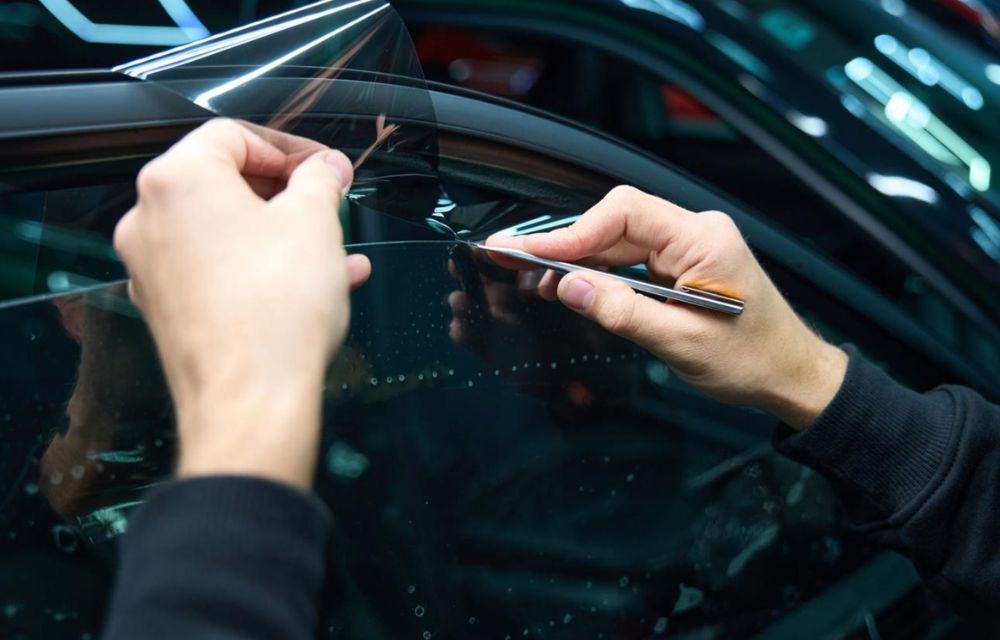
Car glass tinting consists of applying a thin layer of glass over the windows, which forms an obstruction against the sun's rays. This movie is designed using high-technology materials such as polyester, ceramic, or carbon particles that block unhelpful radiation.
Key Mechanisms of Heat Reduction
The quality window films are made to absorb or reflect infrared rays, which cause the majority of the heat that finds its way into the vehicle. Tinting helps a great deal in keeping the temperature in the cabin low since it decreases the penetration of IR.
Colored movies are films that screen away a part of the energy of the sun. This does not allow the heat to get into the vehicle at all, and this kind of difference can be felt particularly on sunny days, during peak time.
Certain movies do not allow the solar to pass through but absorb it on the surface of the windows. The heat absorbed is then radiated away, causing less to be transferred to the inside of the car.
In addition to the heat reduction, tinting also prevents a large percentage of harmful UV rays, which would otherwise damage people and the interior of the vehicle by fading and cracking.
The amount of heat reduction provided by tint films is not always the same. To a great extent, the efficiency is conditioned by the nature of the material:
Ceramic colors are especially favored in the modern world as they provide both transparency and high-quality heat-protective qualities.
Tinting of car glass reduces heat retention, and thus the car interiors are more comfortable when it has been exposed to the sun over a long period of time.
The air conditioning system will not need to work as hard with this because the rate of heat entering the vehicle is reduced, resulting in better fuel consumption and quicker cooling.
The benefit of having lower cabin temperatures is that the driving will be more enjoyable, particularly when travelling long distances or in hot conditions.
Tinting is useful in avoiding the destruction of upholstery, dashboards, and electronic parts through the blockage of UV rays and excessive heat.
Tinting will help in reducing the amount of heat entry, thereby adding to the overall energy efficiency, and helping in energy saving, mostly in areas of extreme weather conditions.
Also Read - Vehicle Glass Tinting: Is It Worth the Investment?
Although tinting is very useful, heat reduction is determined by a number of factors:
Tinting does not totally block the heat, but it greatly decreases the rate at which it accumulates in the car.
By using a professional service provider, the tint film will perform maximally and last longer. Weak-quality movies or not fitting can lower efficiency and cause such problems as the appearance of bubbles or fading away. Reliable suppliers such as Mr.Glass will provide quality products and professional installation services, which will guarantee effective long-term outcomes with maximum heat loss.
To sum up, the Car Glass Tinting is a viable and useful solution in minimizing heat in cars. Reflecting solar energy, including the harmful UV radiation, and eliminating the infrared radiation, tinted windows make driving in a cooler and more comfortable environment. Having a reason to make the inside of your car more comfortable or prevent it from being scratched, as well as being more economical to use high-quality tinting, is a good reason. Vehicle owners are able to experience high-performance, durability, and style in a single product through traditional providers such as Mr.Glass and enjoy every trip in the car without any inconvenience, even in the most scorching sunshine.
Posted on: May 07, 2026