
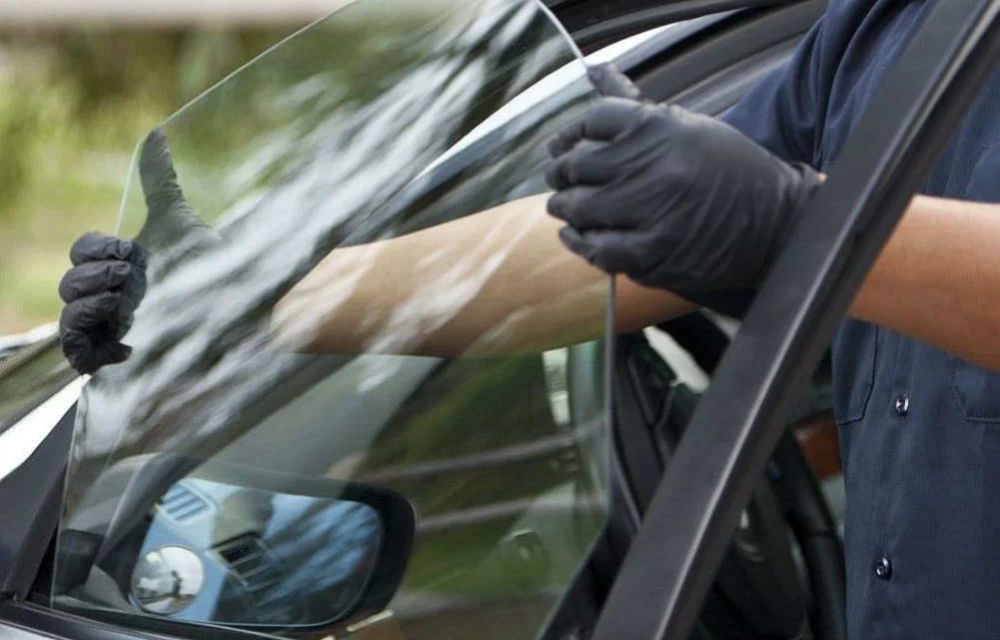
When we consider car safety, the first thing that comes to mind is seatbelts, airbags, or crash sensors. But one equally essential yet underappreciated aspect of car safety is car safety glass. Although its first duty is to protect the driver and passengers in case of an accident or collision, car safety glass has two significant extra advantages—noise reduction and UV protection. These aspects boost driving comfort and ensure long-term health and wellness. This blog will discuss how car safety glass helps reduce outside noises and shield passengers from dangerous ultraviolet radiation.
Car safety glass is a specially designed form of glass applied in vehicles to minimize the risk of injury caused by accidents. It typically comes in two forms—tempered glass and laminated glass. Side and rear windows are mostly fabricated with tempered glass, whereas windshields utilize laminated glass. Laminated glass comprises two or more pieces bonded with a plastic interlayer, usually polyvinyl butyral (PVB). Such a feature gives it the strength to stay together even when cracked, maintaining shards intact in the event of a crash.
Besides safety, car safety glass also functions as a noise insulator and keeps UV rays from penetrating, qualifying as an automobile design multifunctional piece.
Another unique feature of laminated car safety glass is its sound barrier property. The PVB interlayer between glass panes will absorb sound wave-excited vibrations, particularly low-frequency sounds such as engine noise, road noise, and wind noise. This is very effective in-cabin acoustics, especially during high-speed travel or crawling through city roads.
Why car safety glass suppresses noise:
This makes it especially ideal for luxury cars, electric cars (which are quieter and thus cause external noises to be more noticeable), and family cars where a calm environment is appreciated.
UV radiation is an insidious, unseen threat that can cause damage to the skin, accelerate aging, and cause cataracts and skin cancer. More prolonged exposure to UV rays while driving, primarily through side and rear windows, can be an accumulation of health risks. Again, car safety glass comes through.
New laminated motor car windshield glass can block 99% of harmful UV radiation because the PVB interlayer can filter out the UV radiation. Aside from being vital for occupant well-being, it also helps safeguard the vehicle's interior.
Significant benefits of motor car safety glass UV protection are:
Hence, car safety glass results in enhanced passenger health and makes energy more efficient and sustainable.
In addition to noise reduction and UV protection, car safety glass offers other advantages:
All these features make motor car safety glass an indispensable part of modern automotive technology, not just to protect passengers in the event of accidents but to contribute to the overall driving experience.
Material science and automobile design technologies are constantly improving the effectiveness of car safety glasses. Manufacturers currently include in their vehicles features such as:
These technologies put comfort, convenience, and safety in new demand, and automobile safety glass is a highly evolving area of the auto industry.
Automobile safety glass has traveled far from its original purpose of preventing accident injuries. It is now a focal point in a quieter, safer, and more comfortable ride. Reducing the din of the external world and protecting harmful UV rays contribute significantly to passenger comfort and well-being. From concerns about long-term sun exposure to a more peaceful ride, money spent on the best car safety glass is a good investment. As technology continues to improve, so will the functionality of car safety glass—making every ride as safe and quiet as possible.
Posted on: July 14, 2025

