
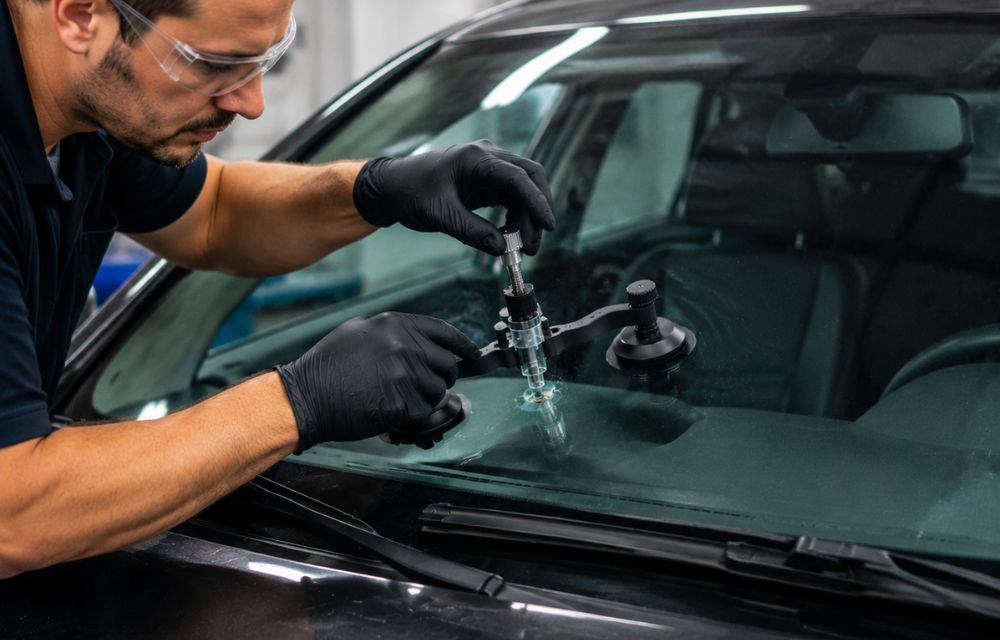
Modern vehicles are engineering achievements on many levels, but one of the most important and often overlooked safety systems in any car is the glass. The windows and windshield of a modern vehicle are not simply transparent panels that let the driver see out and protect occupants from wind — they are sophisticated, engineered car safety glass systems designed to protect passengers in accidents, prevent passenger ejection, maintain structural integrity during rollovers, and manage the way they break to minimize injury. Understanding how car safety glass works helps vehicle owners appreciate why proper glass maintenance and using quality replacement glass are so important for the safety of everyone in the vehicle.
Modern vehicle glass is manufactured in two distinct types, each designed for different applications based on safety requirements.
Laminated Glass is used primarily in front windshields. It consists of two layers of glass bonded together with a tough plastic interlayer, typically polyvinyl butyral (PVB). When laminated glass is impacted, the outer glass layer may crack, but the plastic interlayer holds the glass fragments in place rather than allowing them to scatter. This prevents the windshield from creating a shower of glass fragments that could injure occupants, and it maintains a level of structural integrity that allows the windshield to continue providing protection even after impact.
Tempered Glass is used for side windows and rear screens. During manufacturing, tempered glass is heated to a high temperature and then rapidly cooled, which creates internal stress patterns that dramatically increase the glass's strength compared to standard annealed glass. When tempered glass breaks, these stress patterns cause it to shatter into small, relatively blunt granules rather than sharp, blade-like shards — significantly reducing the risk of serious laceration injuries.
One of the most important and least widely understood functions of the windshield is its role as a structural element of the vehicle's safety system. In a frontal collision serious enough to deploy the airbag on the passenger side, the windshield acts as the backstop that the airbag is designed to push against. If the windshield is not properly bonded to the vehicle frame, or if it is a substandard replacement glass that does not match the original specification, it may not provide the structural support the airbag system requires, significantly compromising the airbag's effectiveness at the moment it is most needed.
Similarly, in a rollover accident, the roof of the vehicle is partly supported by the windshield. A properly bonded, specification-matched windshield contributes meaningfully to maintaining the structural integrity of the passenger cabin during rollover. A poorly installed or substandard replacement cannot provide the same contribution.
Before laminated glass became standard in windshields, vehicle occupants in serious accidents were frequently ejected through the windshield, with devastating consequences. Laminated car safety glass is designed to resist occupant ejection even under significant impact. The plastic interlayer stretches rather than breaks cleanly, and the bonded glass-interlayer composite holds together to maintain a barrier between the occupant and the exterior of the vehicle. This ejection prevention function is one of the most significant safety contributions that laminated windshield glass makes.
Suggested Read - The Role of Car Safety Glass in Vehicle Structural Strength
Most modern laminated windshields incorporate UV-absorbing compounds in the interlayer that filter out a significant proportion of the ultraviolet radiation from sunlight. This protects vehicle occupants from UV exposure during long drives — particularly relevant in Qatar's intense sun — and also helps protect vehicle interiors from UV-related fading and degradation.
Not all replacement glass available in the market meets the original equipment manufacturer's specifications for thickness, interlayer composition, bonding compatibility, and UV filtration. Substandard replacement glass may appear visually similar to the original but may not provide the same structural contribution in an accident, may not bond correctly to the vehicle frame with standard installation adhesives, and may not offer the same UV protection. Using quality replacement glass from a reputable specialist is the only way to ensure the vehicle's safety glass systems continue to function as designed after a replacement.
Car safety glass is far more than a window — it is an integrated safety system designed to protect occupants from glass fragments, prevent ejection, support airbag function, maintain roof structure in rollovers, and filter harmful UV radiation. Understanding these functions helps vehicle owners in Qatar make informed decisions about glass care, repair, and replacement, and underscores why compromising on glass quality or installation standards is a genuine safety risk that should always be avoided.
Posted on: June 14, 2026