
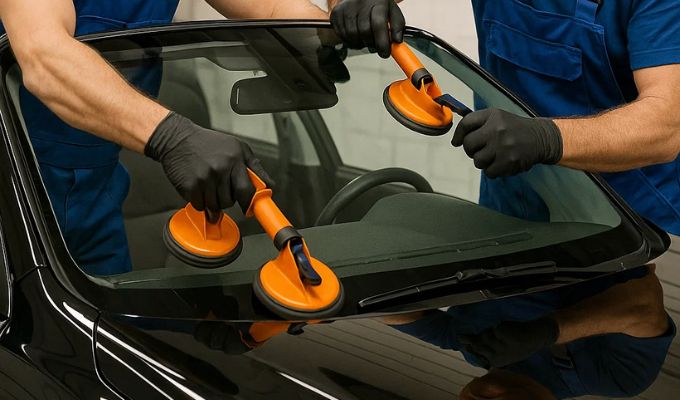
Your windshield provides more than an unobstructed view of the road—it's also crucial to your car's safety. From keeping you safe from wind and debris to assisting in the structural integrity of your vehicle, the windshield is a vital component that should not be overlooked. But, just like everything in your car, the windshield doesn't last a lifetime. So, how do you know that it's time to replace it? In this article, we will walk you through the key signs, risks of delay, and benefits of replacing the windshield of the car before it is unsafe.
One of the clearest indicators that your windshield needs replacement is visible damage. Small chips and minor cracks may seem harmless, but they can spread quickly, especially with temperature fluctuations, driving over potholes, or even using defrosters.
If the crack is longer than a few inches or the chip is so deep that it touches the inner glass layer, it is time to consider replacing the car's windshield. Don't simply apply DIY repair kits—though they may perhaps retard the crack for a while, but it is not a long-term solution.
If your windshield contains many chips or spiderweb cracks with a broken pattern appearance, it strongly indicates that it's no longer structurally sound. Such types of damage can significantly impair your driving visibility and undermine the windshield's structural integrity to protect you in a crash. A structurally damaged windshield can pop out or shatter when hit, undermining the functionality of airbags and risking lives.
Even without a significant crack, a windshield that is too scratched, discolored, or pitted (little craters from sand or small litter) will obstruct your view. This is especially dangerous when night driving or poor weather conditions are involved. If you are squinting from glare or struggling to see well, a windshield replacement might be needed for your protection.
Windshields are typically laminated glass—two panes of glass and a plastic layer sandwiched in between. If you notice a white, foggy mist along the edges of your windshield, it can be a sign of delamination of the plastic. This compromises the windscreen, making it less effective in the case of a crash. It's a stealthy symptom but one that should not be ignored.
A properly installed windshield should be securely sealed onto your vehicle's frame. The adhesive seal is probably failing if you hear rattling sounds or sense movement in the glass. This could happen after a crash, with harsh weather, or simply because the time has come for a new seal. A loose windshield is annoying and hazardous—it can become entirely loose in a crash. When this occurs, replacing the car's windshield is a high priority.
Driving with a cracked windshield is illegal in most places and will get you fined or result in a failed vehicle inspection. If the crack is big enough to obstruct the driver's Vision, or if it is illegal according to local traffic regulations, you must replace the car's windshield before you can legally drive again. Save yourself a penalty and stay road-safe by replacing the car's windshield as needed.
Even if a windshield looks intact after an accident, it may have been damaged internally or dislocated from its mounting frame. Inspections after accidents typically reveal hairline cracks or structural flaws not apparent on the surface. If your vehicle has been in an accident, have a qualified technician check the windshield. If it is unsure about its integrity, better safe than sorry, and go ahead with replacing the car's windshield.
Windshields aren't eternal. Eventually, UV, extreme weather conditions, and road trash will degrade the glass. If your windshield is a couple of years old and showing signs of wear—scratches, dullness, or hazing—it might be time to replace it even though there's no tremendous apparent damage. Think of it as changing your oil or replacing your brake pads.
Delaying replacing the car's windshield can result in a series of safety hazards. A compromised windshield:
Don't undermine the importance of timely action on windshield health. Put off until tomorrow what can be done today, and a simple repair becomes a full-blown crisis.
Your car's windshield is more than just a pane of glass—it's a critical safety feature. Knowing when to replace it can prevent accidents, protect your passengers, and save money in the long run. Changing the car's windshield should never be postponed due to cracks, discoloration, rattling, or age. Regular checks, professional inspections, and timely replacements go a long way in ensuring you're always safe behind the wheel.
So, the next time you spot even the slightest blemish, look closer. It might be the right time for changing the car’s windshield—and save your vehicle for good.
Posted on: August 14, 2025

