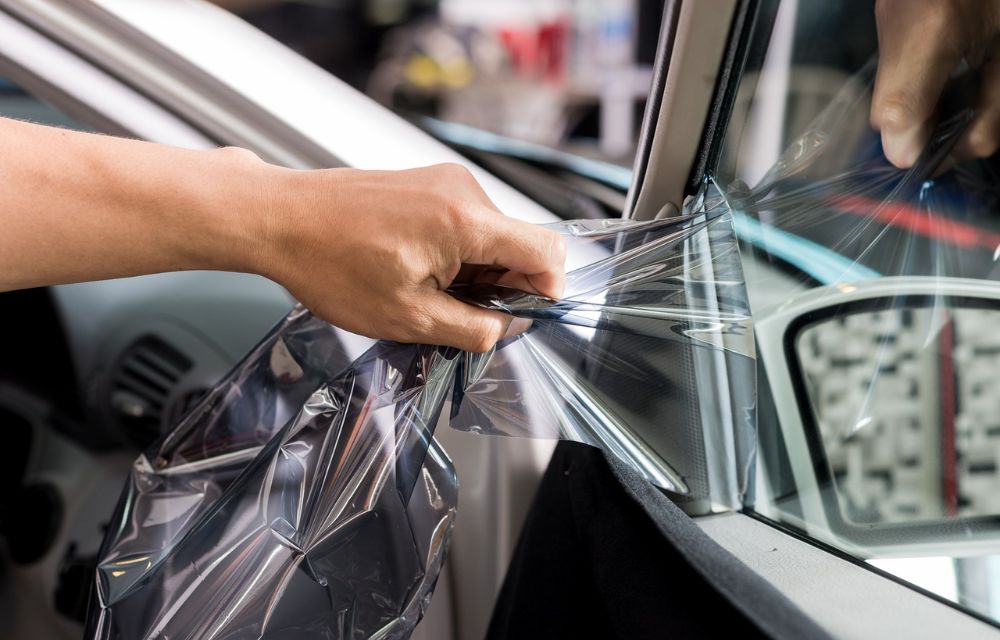
Car window tinting has gained popularity among car owners for numerous reasons, from making the car look better to enhancing comfort and privacy. Nevertheless, most people are still concerned about whether tinting car windows is a good idea. Although it has several advantages, some factors should be considered before tinting your car windows. This blog discusses the benefits and possible disadvantages of car window tinting to assist you in making a well-informed decision.
One of the key reasons individuals prefer car window tinting is that it enhances privacy. Tinted windows make it more difficult for strangers to view the inside of your car, thus offering protection to your valuables against theft. Furthermore, the added layer of privacy gives passengers a feeling of safety.
Car window tinting prevents dangerous ultraviolet (UV) rays from the sun, which lead to skin damage and skin cancer. Good quality tinting films can prevent 99% of UV rays, giving you and your passengers more protection. It also prevents the car's interior, such as the dashboard and seats, from fading or cracking because of prolonged exposure to the sun.
Tinted windows can substantially reduce the heat penetrating your vehicle, particularly on warm summer days. This cools the inside and minimizes the necessity of frequent air conditioning, which, in turn, increases fuel economy. A more fabulous cabin is more comfortable to drive and avoids overheating, ensuring long drives are more pleasant.
Driving during the daytime in the sunshine or driving in the nighttime under street lights can result in glare, which can degrade vision and enhance accident risks. Glass tinting of cars decreases the glare caused by the sun and headlights, thus improving general car safety and comfort.
In case of an accident or collision, tinted windows can retain broken glass pieces together, making it less likely for you to be injured by flying glass particles. The tinting film provides a protective cover, providing a second layer of protection for you and your occupants.
Various areas have rules regarding the amount of tint that is permissible on automobile windows. Too much tinting can result in a fine or penalty when it goes beyond the legal limit. It's always wise to consult local law when having your windows tinted to prevent any legal complications.
While reducing daytime glare, car glass tinting can diminish nighttime visibility if the tint is too dark. This will make it more difficult to view other cars, pedestrians, and signs in nighttime driving conditions, posing a risk for accidents.
If the tinting is poorly done or low-quality film is utilized, it can begin to peel, bubble, or become discolored over time. This can ruin the look of your car and lower the tint's effectiveness. Using a professional service with high-quality materials can prevent these problems.
Car window tinting has several benefits, such as enhanced privacy, UV protection, temperature control, and glare reduction. Nonetheless, you need to consider local regulations and how they may affect nighttime visibility before window tinting. Professional car glass tinting with high-grade materials guarantees superior outcomes and extended benefits. Generally, car window tinting is an investment that pays off when it comes to comfort, security, and appearance—subject to choosing the proper tinting product and following regulatory standards.
Posted on: April 21, 2025

