
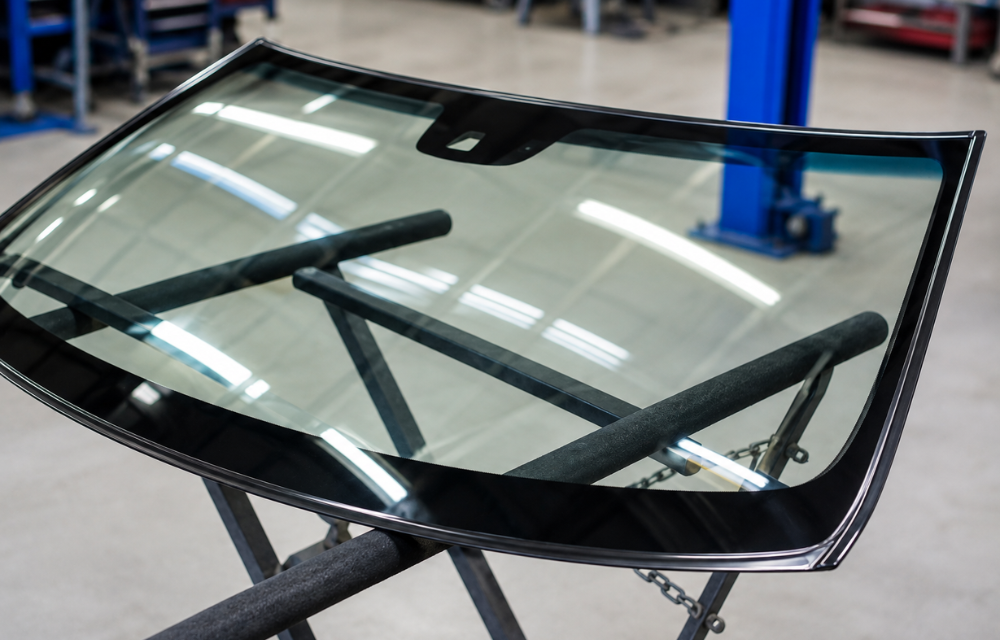
Not all glass on your vehicle is the same, and understanding the difference matters more than most drivers realize. Laminated automotive glasses and other forms of car safety glass are engineered differently depending on where they sit on the vehicle and what job they need to do. Knowing how these glass types differ helps Qatar vehicle owners make informed choices during repair, replacement, or when comparing quotes from different glass suppliers. Mr.Glass works with the full range of car safety glass and laminated automotive glasses used across modern vehicles.
Laminated automotive glasses are built from two layers of glass bonded around a plastic interlayer, a construction method used almost universally for windshields because it holds broken glass together in an impact rather than shattering into loose fragments. This design is central to how laminated automotive glasses protect vehicle occupants, since it prevents ejection through the windshield and keeps sharp fragments from scattering through the cabin during a collision. Laminated automotive glasses also block a meaningful amount of UV light and, in acoustic variants, reduce road and wind noise more effectively than standard glass. This laminated construction is required by recognized automotive safety glass standards for all forward windshields, since it prevents the explosive shattering and occupant ejection risk associated with older single-layer glass designs.
Beyond laminated automotive glasses used in windshields, most side windows and rear glass are made from tempered car safety glass, a single layer of glass that has been heat-treated to increase its strength. Tempered car safety glass behaves very differently in an impact: rather than cracking and holding together like laminated automotive glasses, it shatters into small, relatively blunt fragments designed to reduce the risk of deep cuts. This is why side and rear glass, once broken, almost always needs full replacement rather than repair, unlike the laminated automotive glasses used in windshields.
Understanding whether a damaged panel is laminated automotive glasses or tempered car safety glass changes what repair options are available. Chips and short cracks in laminated automotive glasses can often be repaired using resin injection, preserving the original glass and factory seal. Tempered car safety glass, once cracked or chipped, typically cannot be repaired in the same way and needs replacement, since the tempering process makes the glass prone to complete fracture rather than a stable, contained crack.
Modern vehicles increasingly rely on laminated automotive glasses to support features beyond basic protection, including head-up displays, embedded antennas, and forward-facing ADAS cameras that require precise optical clarity through the glass. These features depend on the specific manufacturing tolerances of laminated automotive glasses, which is another reason substituting a lower-quality or mismatched product can cause functional problems even when the glass appears visually similar. Mr.Glass verifies feature compatibility whenever supplying laminated automotive glasses for vehicles equipped with these advanced systems.
Certified car safety glass, whether laminated automotive glasses for windshields or tempered glass for side and rear windows, must meet recognized standards covering impact resistance, optical clarity, and fragmentation behavior. Choosing certified car safety glass for any repair or replacement ensures the finished vehicle performs the way it was designed to in a collision, rather than introducing unknown risks through substandard materials. Mr.Glass sources only certified laminated automotive glasses and tempered car safety glass for every job.
Also Read - Premium Laminated Front Windshields for Enhanced Vehicle Safety
When replacing any glass component, matching the original specification of laminated automotive glasses or tempered car safety glass is essential, since substituting the wrong type of glass in the wrong location can compromise both safety and the function of features like heating elements or sensors. Mr.Glass advises every customer on the correct car safety glass type for their specific vehicle and glass position, ensuring that windshields remain laminated automotive glasses and side or rear glass remains appropriately tempered.
Asking a supplier directly whether a quoted product is laminated automotive glasses or tempered car safety glass, and whether it is certified to recognized standards, is one of the simplest ways for Qatar vehicle owners to compare quotes on equal terms rather than assuming all glass is interchangeable.
Understanding the difference between laminated automotive glasses and other forms of car safety glass helps Qatar vehicle owners make smarter decisions about repair, replacement, and the true value of a quote. Mr.Glass supplies and installs certified laminated automotive glasses and car safety glass across all vehicle types in Qatar. Contact Mr.Glass today to learn more about the right glass for your vehicle.
Posted on: August 28, 2026