
Car safety glass is an issue that cannot be ignored when it comes to road safety because it is at the forefront of protecting motorists and the occupants, besides strengthening the car. In addition to providing good visibility, the modern-day car provides a great deal of structural stability, particularly during collisions, rollovers, and even normal driving situations. In this blog, we will have a closer look at how safety glass contributes to the overall strength of the cars and why the glass used and the specialists who replace the glass are important. We shall also mention the contributions of Mr.Glass, who is one of the major importers and resellers of aftermarket automotive glass in Qatar.
In the simplest terms, safety glass is a glass that is meant to cause less harm to occupants in case it shatters. Two types exist in the automotive industry: laminated (primarily used on windshields) and tempered glass (primarily used on side and rear windows). Laminated glass is made up of two sheets of glass cemented together using a strong interlayer - usually polyvinyl butyral (PVB) - which holds the two pieces of glass together so that the glass does not break into sharp edges when it collides. Tempered glass, however, is heated in a manner that, in such a case, it does not splinter into sharp fragments; rather, it fractures into tiny grains.
These highly designed materials are not only concerned with the safety aspect in the event of a crash, but they also serve to enhance the general strength and durability of the vehicle body.
Though the majority believes that glass is an inert component of a vehicle, its windshield, especially, is not a passive element but an active and important component in the process of structural support:
The windshield is part of the so-called safety cell by the engineers, or the hardened compartment that is supposed to keep the occupants safe in an accident. This cell is assisted by Laminated car safety glass, which helps in maintaining the rigidity of the passenger compartment. A strong windshield in case of a rollover, say, will assist in avoiding the roof falling in. Lack of this reinforcement would cause an easy deformation of the passenger compartment, causing serious injuries.
The current airbags have been engineered to react with the windshield as they are deployed. During frontal collisions, the passenger side airbag is supported by the windshield to bounce onto provide correct inflation and placement. A weak or ill-fitted windshield may weaken the performance of the airbag and endanger the occupants.
The safety glass assists in spreading the forces of a collision over a wider region of the vehicle body. Safety glass will eliminate the risk of catastrophic structural failure by absorbing some of that impact energy and eliminating sudden stress concentration on sensitive areas. This is an operation that is in cooperation with other safety elements, such as crumple zones, seat belts, and fortified pillars, to cushion occupants.
Although strength is in the forefront, the automotive safety glass has several auxiliary advantages, which enhance the overall driving experience:
Unbroken and transparent safety glass enables the driver to have clear forward and peripheral vision, which is essential in driving safely. Even the smallest deformation by the chips or cracks may result in misinterpretation and a higher risk of accidents.
Tempered side and back windows are made so that they fall into little, less severe bits when hit, thus cutting and lacerating deeply. Laminated windshields, which in turn are not affected when broken, serve as a shield to keep occupants out of the car, which happens to be the primary cause of deaths in serious accidents.
Laminated glass is also a noise dampener and blocker of harmful ultraviolet (UV) rays to ensure a sounder and safer ride through the PVB interlayer within the glass. This increases comfort and protection for passengers when they are on long drives and in the scorching sun.
Suggested Read - How Can You Tell If Your Car Safety Glass Needs Repair or Replacement?
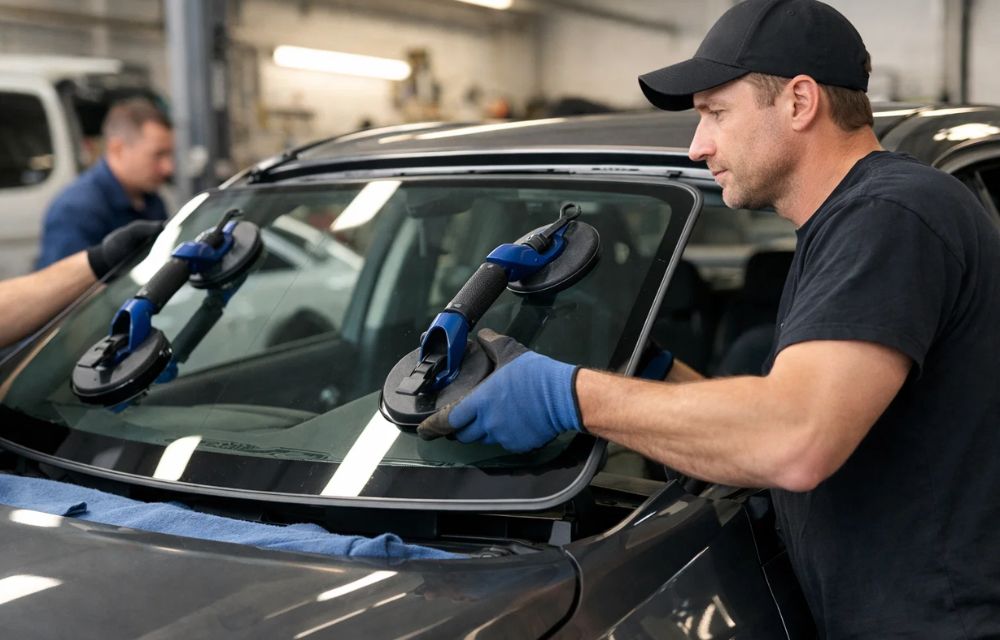
The execution of high-quality glass is the key to all these benefits, along with proper installation. Poor quality of the glass or improper installation can have a significant negative impact on the structural advantages and safety of the automotive glass. That is where the trusted players, such as Mr.Glass, come in.
Mr.Glass is also a specialist in the provision of laminated windshields, tempered glass, and accurate installation of all types of vehicles within the nation, which includes ordinary cars, classic and specialty cars, and has more than 20 years of experience in the aftermarket automotive glass business. Their products are of OEM safety quality, and all of the glass pieces are of high-quality standards.
You may require a replacement of your windshield, side window repair, or the making of a glass that is specific to your requirements; quality service can be the difference. Bonding and fitting are the proper use of these safety systems in your car so that they can work when you need them - airbag deployment or roof support on a rollover.
The car safety glass in the modern cars is no longer a transparent sheet that separates the occupants and the exterior world. It is a very essential structural ingredient, making the roof stronger, supporting vital safety features such as airbags, and assisting in dispersing impact forces in case of an accident. The automotive safety glass is not only safe to the occupants with the right materials and professional expertise, but it also plays a significant role in the structural strength and integrity of the entire vehicle. By investing in reliable vendors such as Mr.Glass, you are guaranteed that the glass of your car will keep doing what it is supposed to do, so that it will stay safe, last long, and give you the confidence that it will be there when you need it most during your travels.
Posted on: April 14, 2026