
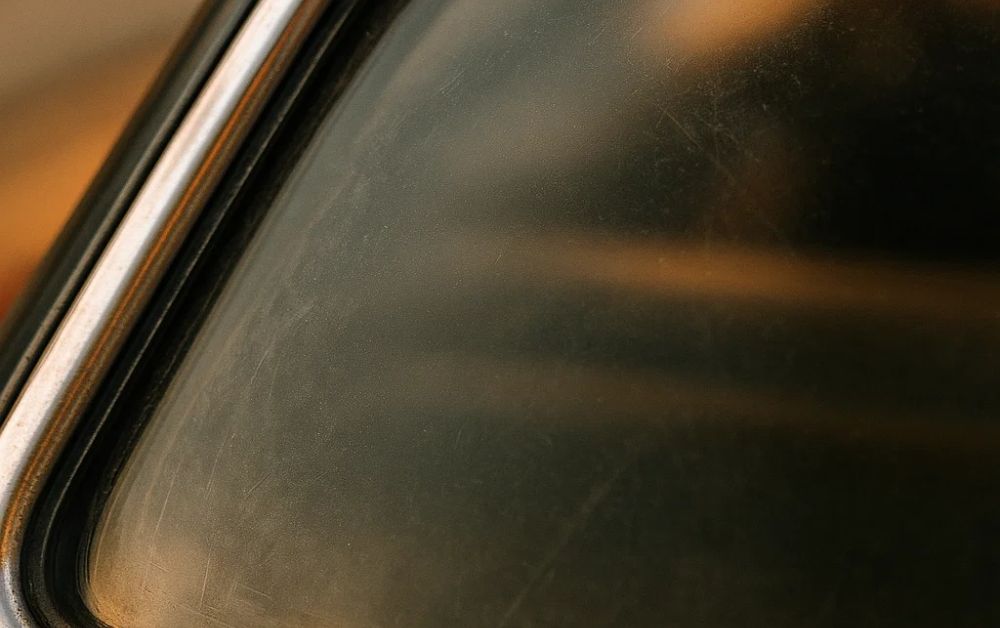
For car enthusiasts and collectors, owning a vintage vehicle is about more than driving—it’s about preserving history. Every detail, from the body panels to the upholstery, contributes to the authenticity and value of the car. One area that often goes unnoticed, yet plays a vital role, is the Classic Car Glass. Unlike modern cars, vintage vehicles often came with unique markings on their windshields and windows, which reveal a great deal about their originality, manufacturer, and era of production. Understanding these authentic markings is crucial for restorers and collectors alike.

When evaluating a vintage automobile, every original component contributes to its worth. Authentic glass markings provide:
The markings on vintage automotive glass are not random; they were carefully placed for identification, regulation compliance, and branding. Below are some common types found on older cars:
Many classic vehicles carry the glass manufacturer’s logo etched into the corner of the glass. Companies like Pilkington, Triplex, and Sekurit were prominent suppliers, and their logos act as a stamp of originality.
As safety regulations evolved, glass makers began including codes that represented compliance with national or international safety standards. For instance, the “AS1” or “AS2” codes often seen on windshields indicate the type of safety glass and its intended use.
Some Classic Car Glass features small date codes, often in the form of dots or numbers, that denote the year and sometimes even the month of production. This helps collectors determine if the glass matches the car’s production year.
Markings sometimes include the country where the glass was produced. For classic European cars, “Made in Germany” or “Made in England” are common, while American cars often featured “Made in USA.”
Another important marking indicates whether the glass is tempered or laminated. Laminated glass was often used for windshields, while tempered glass was used for side and rear windows.
Maintaining original glass with markings ensures historical accuracy, which is essential for concours events and shows where authenticity is strictly judged.
Collectors pay a premium for vehicles that retain as many original parts as possible, including glass. A windshield with factory markings can significantly boost the car’s overall value.
When restoring, knowing whether the existing glass is authentic helps owners decide whether to replace it with modern reproductions or preserve it for originality.
Although original markings are valuable, safety should never be compromised. If the glass is too damaged, modern replacements with period-correct markings can sometimes be used to balance safety with authenticity.
Enthusiasts and restorers use several methods to verify the authenticity of Classic Car Glass:
Once authentic glass with original markings is confirmed, preservation becomes the priority. Here are some care tips:

The markings found on Classic Car Glass are more than just symbols—they are historical fingerprints that tell the story of a vehicle’s origin, authenticity, and value. From manufacturer logos to date codes, these details provide collectors with confidence and preserve the integrity of a vintage automobile. For those who are passionate about restoring and preserving these timeless machines, expert guidance is essential. This is where Mr.Glass shines, offering the precision, knowledge, and care needed to keep classic vehicles as authentic and valuable as the day they first rolled off the assembly line.
Posted on: November 07, 2025