Car tinting has become a booming trend in the car market, providing advantages like better privacy, less glare, and sun protection from harmful UV rays. Windows tinted with the right tint give a better look and a more comfortable driving experience. However, notwithstanding these benefits, several concerns surround vehicle glass tinting, which can result in legal issues, lower visibility, and hazards. In this blog, we will discuss the typical problems associated with vehicle glass tinting and why it is necessary to recognize the possible negatives before making a choice.
One of the most critical issues related to vehicle glass tinting is the differing legal requirements in various regions and nations. Most governments have established laws defining the amount of tint permissible on automobile windows. For example, certain states or nations only allow a specified level of light penetration by the windows so that the driver's visibility is not impaired. If your car's tint exceeds the permitted limit, you will risk paying fines, fines, or even having the tint removed. It is essential to know the regulations in your locality to prevent this.
Even though automotive glass tinting decreases glare and sunlight, it may also cause visibility issues, primarily at night or in low-light environments. Tinted windows can make it hard for the driver to get a clear view of the road, making them more prone to accidents. Poor visibility can also be dangerous while driving through dimly lit regions, tunnels, or during fog or rain. Other motorists and pedestrians will also find it challenging to observe the driver's hand signals or facial expressions through tinted windows, which can lead to misunderstandings and accidents.
Tinted windows can pose problems during emergencies. In the case of an accident, emergency responders will have a hard time viewing the car's interior to determine the passengers' status or give immediate aid. If the tint is excessively dark, it may cause the response to be delayed, which proves to be very critical in life-or-death situations. In addition, police officers can also find it challenging to identify passengers or sense suspicious activities within the vehicle due to highly tinted glass, causing security concerns.
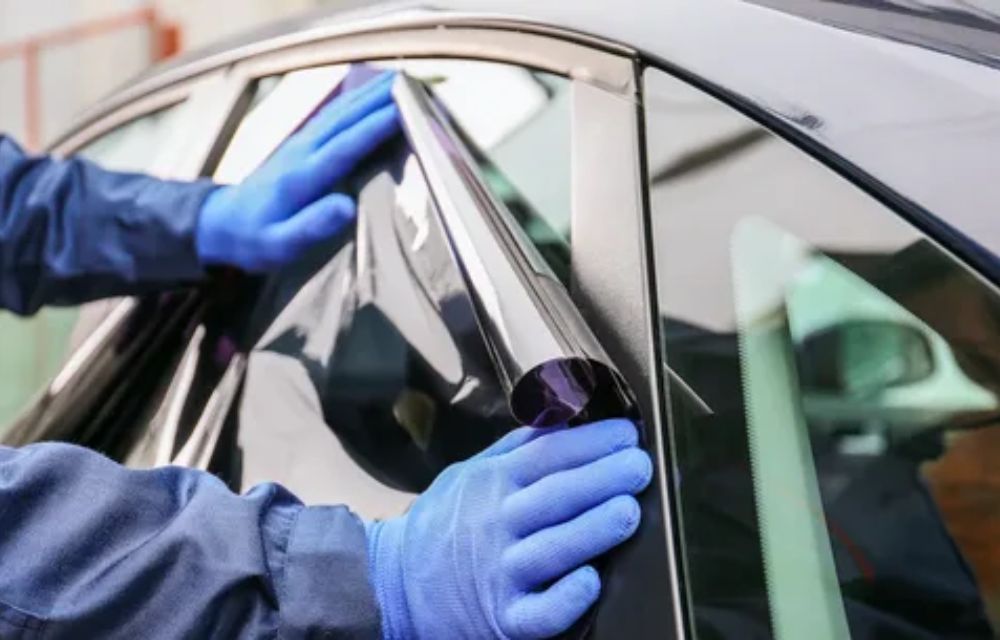
Not all vehicle glass tinting films are the same. Poor-quality tinting materials may fade, bubble, or peel after some time, lowering the vehicle's overall look. Poor installation can result in uneven tinting, air bubbles, or gaps, which not only appear ugly but also lower the effectiveness of the tint. Spending money on high-quality tinting materials and professional installation is necessary to ensure the tint lasts longer and works well.
While tinting films on vehicle glasses are meant to keep the inside of the car cool, some lead to heat retention problems. Trapping too much heat, as it may do, can cause inconvenience to passengers and put an additional burden on the vehicle's air conditioner. In certain instances, excess heat retention has been known to lead to the cracking or weakening of the glass. Selecting the appropriate type of tinting film that optimizes heat rejection and light transmission is essential to prevent these issues.
Car glass tinting has numerous advantages, such as increased privacy, glare reduction, and UV protection. It also has a list of challenges, such as issues with the law, decreased visibility, complications arising during emergency responses, and durability issues. To get the best out of vehicle glass tinting, one must know the rules in their area, spend on good-quality materials, and follow proper installation procedures. By resolving these possible issues, vehicle owners can appreciate the advantages of tinted windows without sacrificing safety and functionality.
Posted on: April 07, 2025

