
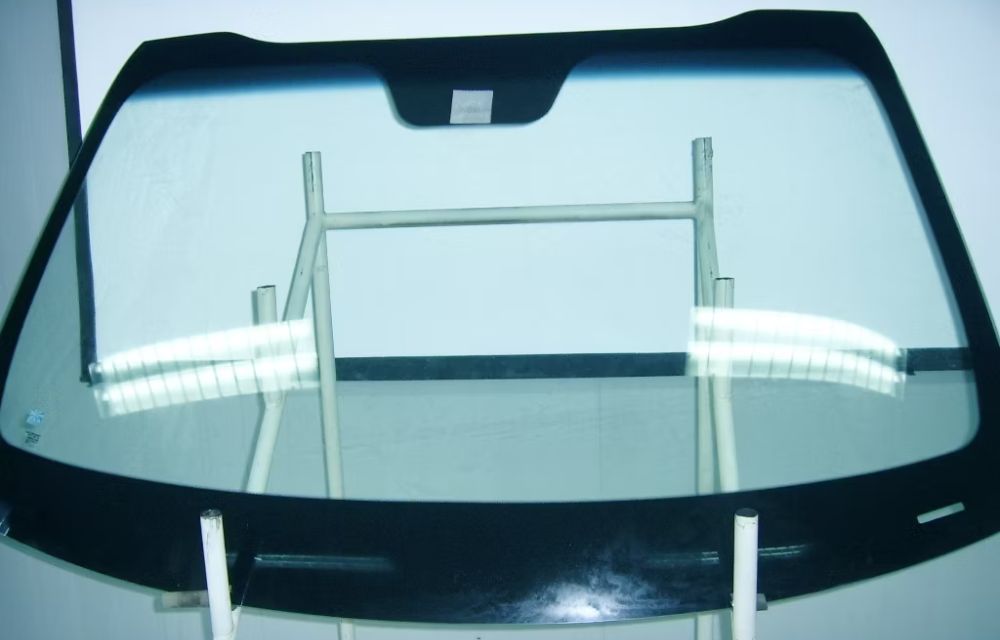
Your car's laminated auto glass is more than a see-through shield—it's essential to your vehicle's safety system. Laminated auto glasses are constructed to absorb impacts, reduce injuries in accidents, and block external noise. Yet, like any other component of your vehicle, they are not indestructible. Eventually, they need to be replaced for safety and functionality. But how do you determine when that is?
This post will discuss the symptoms and circumstances when you need to replace laminated automotive glass on your car, why it matters, and what to consider.
Before diving into the reasons for replacement, it's helpful to understand what laminated automotive glass is. Unlike regular tempered glass, laminated automotive glasses consist of two or more layers of glass with a layer of polyvinyl butyral (PVB) or ethylene-vinyl acetate (EVA) in between. This sandwich-like construction holds the glass together even when shattered, reducing the chances of injury from flying shards and helping maintain the vehicle's structural integrity.
One of the most visible signs that your laminated car glass must be replaced is the visibility of big cracks. Although laminated glass is made to remain together when fractured, a big crack can impair visibility and the structural stability of the glass. If you see a crack over a few inches long or growing rapidly, it is time to look at a replacement.
A tiny chip or crack can be a massive risk if it's in your line of sight. It will send glare from sunlight or approaching headlights, blur your vision, and lower your vision clarity. Repair would be viable sometimes, but replacement is the better and more prudent option if it warps vision.
Delamination occurs when the inner layer between the glass panes begins to delaminate. You may see bubbling, cloudiness, or discoloration inside the glass. Not only is this unsightly, but it also weakens the strength of the laminated auto glass. Delamination is permanent, and the only fix is a complete replacement.
Even if your laminated glass did not break in a serious accident, it may have been internally damaged or structurally weakened. Having a professional check, the glass after a collision is a good idea. If the lamination layer has been breached, replacing the laminated auto glass guarantees your ongoing safety.
Laminated car glasses are sealed tightly so water, dust, and wind cannot seep into your vehicle. Once you begin to experience leaks, wind noise, or fogging at the edges of the glass, it may be a sign of a faulty seal. At this point, the glass may need to be replaced to re-establish proper insulation and safety.
Other times, previous fixes to a chip or crack fail with the test of time. If you notice that a repaired spot has begun to crack again, or if the repair was botched in the first place, it is the wiser decision to replace the glass. Repaired areas tend to be weaker and more vulnerable to further damage.
Safety is always your primary concern. Damaged laminated motor vehicle glass diminishes airbag effectiveness, decreases the support in rollover collisions of the roof, and impairs a driver's field of view on the road. What began as a tiny crack can escalate rather quickly to more significant damage, particularly in areas with changes in temperature, dampness, or road vibrations.
Furthermore, legal regulations demand that automotive glass be in good condition in many areas. Operating a broken windshield or window may lead to fines or failing inspections.
Always opt for OEM (Original Equipment Manufacturer) or certified aftermarket options when replacing your laminated automotive glass. Ensure that the new glass meets your vehicle's safety and performance standards. Also, ensure the installation is performed by experienced professionals who understand the importance of proper sealing and alignment.
Laminated car glasses are made to endure, but they can still be damaged. Cracks, delamination, leaks, and post-collision damage indicate that you may require a replacement. Neglecting these indicators can compromise your safety and result in more expensive problems in the future.
If you notice any of the issues mentioned above, don't wait—seek the help of a trusted auto glass expert and get a proper assessment. Your laminated car glass is a barrier between you and the external environment. When it begins to deteriorate, having it replaced is not merely a matter of looks or comfort—it's a safety precaution.
Posted on: June 14, 2025

