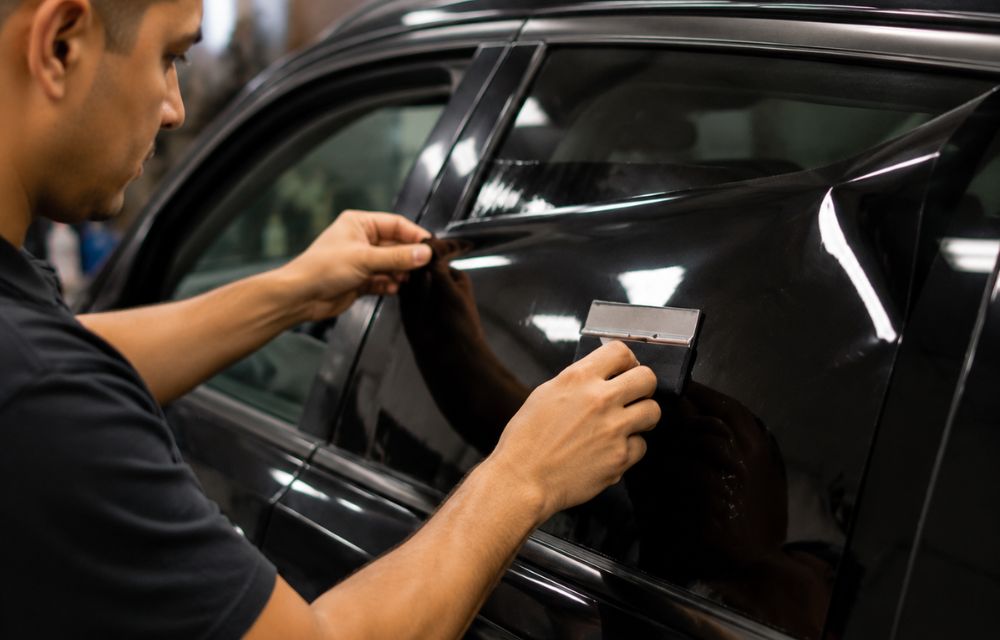
Living and driving in Qatar presents a unique set of environmental challenges that most motorists in cooler parts of the world never have to think about. The intense sun, extremely high ambient temperatures, and strong UV radiation create conditions that affect vehicle comfort, safety, and longevity in ways that make Vehicle Glass Tinting not just a cosmetic choice but a genuinely functional necessity. This blog explains why vehicle glass tinting is particularly essential in hot climate regions like Qatar, what benefits it delivers, and how to choose the right tinting solution for your vehicle.
Qatar experiences some of the most intense solar radiation of any inhabited region on earth. Summer temperatures regularly exceed 45°C outdoors, and the interior of a parked vehicle with untinted glass can reach temperatures of 70°C or more within minutes of parking in direct sunlight. These extreme interior temperatures are not just uncomfortable — they affect the health of occupants (particularly children left briefly in vehicles), accelerate the degradation of interior materials including leather, dashboards, and electronics, and create an intense heat load that the air conditioning system must overcome before the vehicle can be made comfortable for driving.
Vehicle Glass Tinting directly addresses this problem by blocking a significant proportion of the solar energy that would otherwise pass through the glass and heat the vehicle interior. High-quality tint films can block 40% to 70% or more of total solar energy from passing through the glass, resulting in dramatically lower interior temperatures and significantly reduced demand on the air conditioning system.
Solar ultraviolet radiation is invisible but harmful in two distinct ways for vehicle occupants. Firstly, it causes cumulative skin damage — drivers who spend significant hours on the road accumulate meaningful UV exposure through untinted side windows and windshields. Secondly, UV radiation degrades interior materials — leather cracks and fades, plastic dashboards and trim deteriorate, and fabric upholstery loses colour and integrity faster in vehicles exposed to high levels of UV.
Quality Vehicle Glass Tinting films block between 99% and 100% of UV radiation, providing meaningful protection for both occupant skin health and interior material longevity. This UV blocking capability is one of the most quantifiable and important benefits of tinting in the Qatar climate.
Glare from direct sunlight is a significant driving safety issue. Intense glare from the sun at certain angles — particularly during the early morning and late afternoon — can temporarily blind a driver and create a genuine accident risk. Vehicle glass tinting reduces glare significantly, allowing drivers to maintain better vision and control in conditions that would otherwise be hazardous without tinting.
Tinted windows also provide enhanced privacy for vehicle occupants, which many drivers in Qatar consider an important benefit. Reduced visibility into the vehicle interior from outside also provides a degree of deterrent value against opportunistic theft, as potential thieves cannot easily see whether valuables have been left in the vehicle.
The reduction in solar heat entering a tinted vehicle has a direct and measurable impact on air conditioning efficiency. A vehicle with quality tinting reaches a comfortable interior temperature significantly faster than an untinted vehicle, and the air conditioning system maintains that temperature with less energy expenditure. This translates to real fuel or electricity savings over time, particularly for vehicles used frequently in Qatar's sunny climate.
Related Blog - How Car Glass Tinting Reduces Heat Inside Vehicles
Not all tint films are equal in performance. In Qatar's climate, the key performance parameters are total solar energy rejection, UV blocking percentage, and visible light transmission (which must comply with local regulations). Ceramic tint films represent the highest performance tier — they offer excellent heat and UV rejection without the electrical interference that metalized films can cause, and they maintain their performance and appearance over time without fading or bubbling.
Always ensure that any tinting applied to your vehicle complies with Qatar's legal limits for visible light transmission on different windows, which are specified by the relevant traffic authorities.
In hot climate regions like Qatar, Vehicle Glass Tinting is far more than a cosmetic modification — it is a functional investment in comfort, safety, health protection, and long-term vehicle condition. By blocking solar heat, filtering UV radiation, reducing glare, and improving air conditioning efficiency, quality window tinting delivers measurable daily benefits to every driver. Choosing a specialist glass and tinting provider who uses quality film products and installs them correctly ensures you enjoy these benefits for years without the bubbling, fading, or peeling that low-quality products are prone to.
Posted on: June 21, 2026